

Over the years, I have observed small interruptions change the way people approach online gambling. A reality check is not a punishment or a rule made to ruin your evening. It is a gentle, automated pop-up that shows up on your screen after a set period of play and notifies you how long you have been playing. In Belgium, where gambling culture tends toward both pleasure and personal responsibility, these tools have developed into a standard part of safer play. I see them as a pause that returns you to the moment, a chance to ask yourself if you are still playing for fun or chasing a feeling that already faded. At Spinmama Casino, we use them because informed players make better decisions, and each session should end as well as it started.
What Are Reality Checks at Online Casinos?
A reality check is a pop-up alert that breaks into a session at intervals you set. It indicates how long you have been playing, usually with your current balance and net win or loss for that session. The game stops until you click through the message, so the interruption creates a short break. I have seen this simple mechanism pull people out of the trance that can form during long stretches on fast slots or live dealer tables. The point is not to embarrass anyone. It is to re-establish awareness. Players who turn on reality checks usually say to me they feel more in control and less likely to go beyond the time or money they had planned for the day. The tool upholds your right to decide.
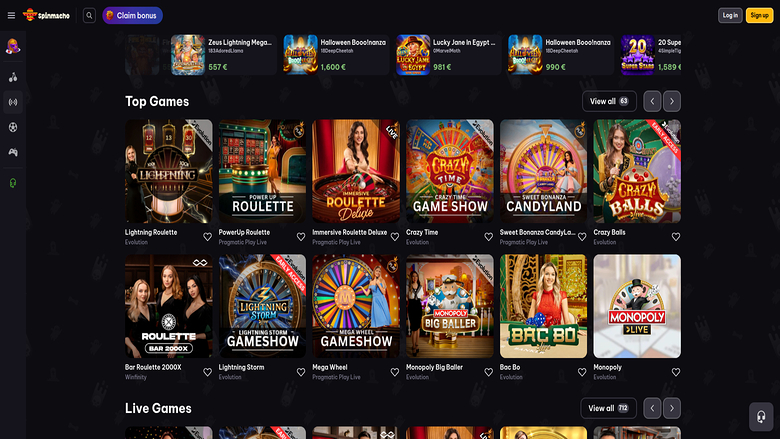
These checks exist on many platforms, but the details differ. At Spinmama Casino, we keep the messages clear, factual, and free of judgment. A typical pop-up might say, “You have been playing for 60 minutes. Your session balance is down €15. Would you like to continue, view your history, or take a break?” That neutral tone is intentional. I want players to sense the tool is on their side, not lecturing them. The goal is to offer you objective numbers so you can make a conscious choice. Without reality checks, time passes by. What starts as a light pastime can make you exhausted. That is why I regard them as essential for anyone who wants entertainment to remain manageable.
The way Reality Checks Work at Spinmama Casino
As you create an account with us, the responsible gaming setup guides you through reality check settings. You can choose intervals from 30 minutes up to two hours. If you are unfamiliar with online casinos or often forget about time, I advise starting shorter, maybe 45 minutes. After that, the system runs quietly in the background. When the interval ends, the game pauses and the pop-up shows up. You have to tap to dismiss it and select whether to keep playing or log out. That forced interaction is important. It disrupts the automatic rhythm and brings your decision-making brain back into the room.
Behind the scenes, our platform logs each reality check event spinmamas.eu. You can check that record in your account dashboard, which provides you a longer view of how you play. I find that checking this history once a week could be revealing. You might spot sessions getting longer or that you often dismiss checks after a certain hour. That awareness carries real worth. In Belgium, where the Gaming Commission promotes player protection, this kind of transparency is expected, not just nice to have. I appreciate Spinmama Casino fulfills and goes past those expectations. Reality checks are a standard feature you can adjust but never switch off completely, because a baseline of safety needs to remain.
Creating Personal Limits That Fit Your Needs
Reality check reminders work best together with personal deposit and loss limits. I encourage every player to establish these boundaries before placing a first bet. Think of them as guardrails on a curved road: they do not stop the drive, but they stop you from drifting off the edge. At Spinmama Casino, you can define daily, weekly, and monthly deposit caps. Once you trigger one, the system prevents further deposits until the next period commences. Loss limits operate identically, limiting what you can lose in one session or day. Some players resist these tools at first, fearing they will reduce the fun. Later, they often inform me they were thankful that a moment of anger did not cause a decision they would rue.
These are the limit types I advise you set up immediately after registration:
- Deposit restrictions: Define a maximum amount you can transfer to your account per day, week, or month.
- Loss caps: Cap the net loss you are willing to endure in a session before the system halts play.
- Stake limits: Regulate the total amount of money you can bet over a given timeframe.
- Playtime limits: Define the maximum duration of a single session, after which you are automatically disconnected.
- Alert intervals: Choose how often the pop-up reminder shows up, from 30 minutes to 120 minutes.
Combined, these limits serve as a personal safety net. I always stress that they should reflect your real financial and emotional comfort zone, not a number you expect to hit. Be honest during creation and review the settings every month. Life shifts, and your limits should evolve as well.
The Purpose of Voluntary Exclusion and Cooling-Off Periods
Occasionally a reality check reveals a pattern that requires something stronger. That is when cool-off periods and self-exclusion play a role. A cool-off is a short break, typically from 24 hours to six weeks, during which you may not log into your account. I view it as a reset. If you persist in ignoring reality checks or become irritated every time one appears, a cool-off gives you space to regain perspective. At Spinmama Casino, you are able to activate a cool-off in a few clicks and it takes effect right away. During that time, we also stop all marketing emails and promos so you aren't pulled back by a bonus offer while you settle.
Self-exclusion is a firmer step, meant for people who know that gambling is no longer fun and has begun causing distress. In Belgium, the EPIS system (Excluded Persons Information System) enables you to self-exclude from every licensed online casino with one request. I back this national approach because it prevents you from having to block yourself separately at each operator. If you self-exclude through Spinmama Casino or directly through the Belgian Gaming Commission, you are blocked for at least six months, and the protection extends to all bases. I have conversed with players who referred to self-exclusion as the bravest and kindest decision they made for themselves. It is not a failure. It is an act of self-care.
Knowing When to Seek Additional Assistance

Reality checks and limits help, but they are instruments, not solutions. I have realized to detect the indicators that someone may require professional help beyond what a casino feature can do. If you lie to loved ones about how long you spend time, chase losses with growing urgency, or get irritated when you cannot play, those are signals to take into consideration. Other warning signs involve borrowing money to gamble, missing work or family duties, and thinking about gambling all the time even when you are not gambling. I do not mention these to alarm you. I list them to turn the conversation ordinary. Gambling disorder is a recognized mental health condition, and early help usually leads to better consequences.
In Belgium, you are never stuck handling this on your own. A first step can be as easy as calling the SOS Jeux helpline at 0800 35 777, where trained counselors attend without criticism. You can also talk to your general practitioner, who can direct you to specialist addiction resources. I have witnessed big changes take place when people combine self-exclusion with therapy or support groups. Asking for help is not weakness. It shows strength and self-awareness. At Spinmama Casino, we build our reality check system to be the first gentle push toward that awareness. If that nudge ever feels too small, trust that instinct and ask for support. Your life and happiness are valued far more than any game.
Belgian Rules and Safeguarding Players
Belgium has among the strongest player protection frameworks in Europe, and I would like you to know what it offers you. The Belgian Gaming Commission requires every licensed operator, including Spinmama Casino, to implement mandatory reality checks, deposit limits, and self-exclusion options. Advertising is also tightly controlled so it does not target people who are vulnerable. I like this environment because it aligns with my own view that a casino should be a place for leisure, not a trap. The Commission also keeps a central register of excluded persons, which all operators must check. So if you have self-excluded somewhere else, you cannot just open a new account with us and bypass the ban.
Beyond the legal side, Belgium has complimentary and private support services for anyone concerned about their gambling. The organization SOS Jeux (SOS Spelen in Dutch) offers counseling, information, and a helpline. I maintain their contact details visible on our responsible gambling page because help should never be difficult to locate. Regulators, operators, and support groups work together to create a safety net that supports people before they fall too far. When I talk about reality checks, I am not just describing a feature. I am explaining a philosophy built into Belgian gambling culture: your wellbeing matters more than our revenue.
FAQ
What exactly is a casino reality check?
A casino reality check is a computerized pop-up that appears during your session after a set interval. It presents your session duration, current balance, and net result, then pauses the game until you click through it. I think of it as a brief interruption that keeps your time and spending in view, so you do not fall into autopilot and spend more than you planned.
Is it possible to turn off reality checks at Spinmama Casino?
No. Reality checks are a required safety feature at Spinmama Casino and are unable to be fully switched off. You can change the interval from 30 minutes up to two hours, but a basic reminder always keeps active. I configured it that way because taking away the feature entirely would undermine its purpose. Even experienced players benefit from a regular nudge.
What is the way to set my personal deposit limits?
Go to your account settings and open the Responsible Gaming tab. From there, select daily, weekly, or monthly caps. When you approve a limit, any decrease goes into effect right away. An increase has a 24-hour cooling-off period before it becomes active. I advise starting with conservative amounts and only changing after you have reviewed your budget.
What's the difference between a cool-off and self-exclusion?
A cool-off is a brief pause, typically from 24 hours to six weeks, when your account is temporarily blocked. Self-exclusion is a more extended commitment, usually six months or more, and you can prolong it. In Belgium, self-exclusion through EPIS applies to all licensed operators. I view cool-offs as a break and self-exclusion as a firmer boundary.
Are reality checks obligatory by Belgian law?
Yes. The Belgian Gaming Commission requires all licensed online casinos to operate reality checks and other player protection measures. That legal framework keeps safety standards consistent across platforms. I back the rule because it erases the business penalty for offering strong protections and makes responsible gaming a standard priority instead of an optional addition.
How can I get in touch with support if I believe I am losing control?
In Belgium, phone the free SOS Jeux helpline at 0800 35 777 for discreet counseling in French or Dutch. You can also check their website for chat support and resources. At Spinmama Casino, our customer service team is equipped to guide you to these services and to aid with immediate self-exclusion if you inquire.
Will my reality check history be shared with third parties?
No. Your reality check logs and responsible gaming settings stay private. They are stored securely on our servers and used only to create your personal session summaries. We do not share this data with advertisers or outside agencies. Confidence is the cornerstone of a safe gambling environment, and your privacy is central to that trust.